
Key Takeaways
Tenant Type Impact: Furnished rentals attract short-term renters, while unfurnished homes appeal to long-term tenants seeking stability and personalization.
Income vs. Costs: Furnished properties can earn higher rent and reduce vacancies, but come with higher upfront and maintenance costs.
Market-Driven Decision: Your location, budget, and goals should guide the choice. Gulf Income Properties can help align your strategy with local demand.
One of the biggest decisions landlords face is whether to furnish their rental property. This choice can affect your rental income, operating costs, and the type of tenants you attract.
Furnished rentals may appeal to short-term renters, while unfurnished properties often attract long-term tenants looking for stability.
The right option depends on your location, budget, management style, and investment goals. Working with Gulf Income Properties can help you determine which approach best fits your rental strategy.
But what exactly counts as a furnished rental property?
Understanding Furnished Rentals and Their Different Types
A furnished rental property is equipped with furniture and appliances for tenants’ use. Because the property is move-in ready, tenants only need to bring personal items like clothes and toiletries.
But this also depends on the level of furnishing in the property:
Fully Furnished Rentals: These have all the major furniture pieces plus essentials like cooking utensils, dishware, silverware, towels, bedding, lamps, and decor items.
Furnished: In furnished properties, only the major furniture items like sofas, beds, and dining sets are provided, along with essential appliances.
Semi-Furnished: Semi-furnished properties only have large appliances like a refrigerator and a stove, along with basic furniture such as a bed frame and a couch
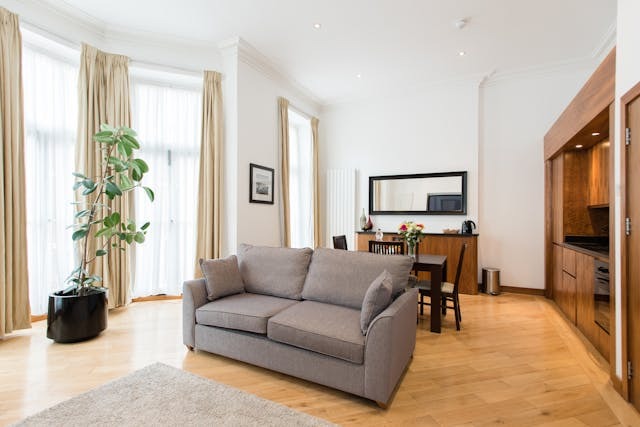
Apart from having different levels of furnishing, the type of furnishings you can expect in each room of a furnished rental can also vary. To decide whether you should furnish your rental property, you must weigh the pros and cons of either option.
Cons of Unfurnished Rental Properties
Here are the cons of renting your property unfurnished:
Lower Earning Potential
Unfurnished rental properties typically generate lower monthly rent compared to furnished units.
Because tenants are responsible for providing their own furniture and household items, landlords are unable to charge the premium rates that furnished rentals often justify.
Over time, this can mean reduced overall rental income, especially in high-demand markets where furnished units stand out more.
Limited Pool of Tenants
These properties tend to attract a narrower segment of renters, usually those looking for long-term housing and who already own furniture.
While this can sometimes mean more stable tenants, it also reduces the overall demand pool, which may lead to longer vacancy periods between leases, particularly in areas with high tenant turnover.
Fewer Tax Write-offs
Landlords of unfurnished properties generally have fewer deductible expenses compared to those offering furnished rentals.
Since there are no furniture or appliance purchases to depreciate or replace, there are fewer opportunities for tax deductions, which may result in a higher overall tax burden.
Pros of Unfurnished Rental Properties
Here are the pros of renting your property unfurnished:
Lower Initial Costs
One of the biggest advantages of unfurnished rentals is the reduced upfront investment. Without the need to purchase furniture, appliances, or décor, landlords can get the property rental-ready at a lower cost.
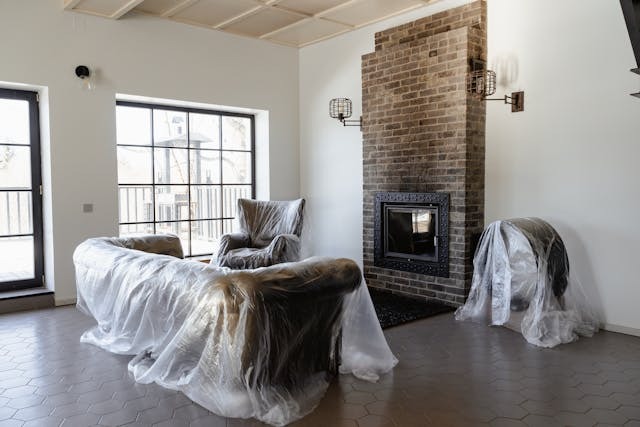
This also means fewer ongoing expenses related to repairing, replacing, or upgrading furnishings over time.
Allows Personalization
Unfurnished properties give tenants the freedom to design and furnish the space according to their own style and needs.
This flexibility can make the home feel more personal and comfortable, which is especially appealing to long-term renters who want to settle in and make the space their own.
Lower Turnover Rates
Because tenants are more likely to invest in their living space when they furnish it themselves, they often develop a stronger sense of attachment to the property.
This can lead to longer tenancy periods, more stable rental income, and fewer costs associated with advertising and preparing the unit for new tenants.
Pros of Furnished Rental Properties
Here are the pros of furnishing your rental:
Higher Income Potential
Furnished rentals typically command higher rent because they offer added convenience and immediate livability.
Tenants are willing to pay more for a move-in-ready space that includes furniture, appliances, and essential household items, helping landlords offset the initial furnishing costs over time.
Access to a Larger Tenant Pool
Furnished properties appeal to a broader range of renters, including students, traveling professionals, corporate tenants, and individuals relocating for short or long-term stays.
This wider demand base increases the likelihood of finding tenants quickly and consistently.
Significantly Fewer Vacancies
In many rental markets, furnished rentals experience shorter vacancy periods due to constant demand for flexible, ready-to-live housing.
This is especially true in areas near universities, hospitals, and business districts, where tenants often need housing on short notice.
Potential for Tax Write-offs
Landlords may be able to deduct or depreciate the cost of furniture, appliances, and other included items.
These tax advantages can help offset both the upfront investment and ongoing replacement costs, improving the property’s overall financial performance.
Cons of Furnished Rental Properties
Here are the cons of furnishing your rental:
Higher Upfront Costs
Furnishing a rental property requires a significant initial investment in quality furniture, appliances, and décor.
These items must be durable enough to withstand repeated use from multiple tenants, which can further increase costs compared to unfurnished units.
Limited Options for Personalization
Because the property already comes fully equipped, tenants have less freedom to customize the space.
This lack of flexibility can make it harder for some renters to feel fully at home, potentially reducing emotional attachment to the property.
More Wear and Tear
Furnished rentals tend to experience faster wear and tear due to higher tenant turnover and frequent use of furniture and appliances.
Since tenants do not own these items, they may be less careful with them, leading to increased rental maintenance, repairs, and replacement costs for landlords.
Bottom Line
Before deciding whether to furnish your rental property, consider your location, target tenants, and overall market demand.
Furnished rentals tend to perform better in areas with students, young professionals, or short-term renters, while unfurnished units often suit family-oriented, long-term tenants.
Your rental strategy also matters, short-term leases usually benefit from furnishing, while long-term leases are typically more cost-effective when left unfurnished.
Budget is another important factor, as furnishing requires a significant upfront investment in durable items.
Ultimately, success depends less on furnishing and more on strong marketing, maintenance, tenant relations, and lease enforcement. Partnering with Gulf Income Properties can help optimize these areas.