
Key Takeaways
Clear Communication Prevents Most Conflicts: Consistent, prompt, and transparent communication helps tenants feel heard and significantly reduces misunderstandings and frustration.
Setting Expectations Early Is Critical: Lease terms, onboarding discussions, and welcome materials help ensure tenants understand responsibilities and reduce future disputes.
Proactive Maintenance Builds Trust: Regular inspections and timely repairs show tenants their concerns are taken seriously, helping prevent dissatisfaction and protecting the condition of the property.
Respect and Professionalism Drive Retention: Balancing firm policies with tenant relations encourages and strengthens landlord-tenant relationships.
Building a strong relationship with your tenants is one of the most important parts of being a successful landlord.
When tenants feel respected, heard, and supported, they’re more likely to take care of your property, renew their lease, and communicate openly when issues arise.
On the other hand, poor communication or slow responses can quickly lead to frustration and unnecessary turnover.
The good news is that creating a positive landlord-tenant relationship doesn’t have to be complicated.
Simple habits, like setting clear expectations, responding promptly, and treating tenants with professionalism, can make a big difference.
At Gulf Income Properties, we’ve seen firsthand how proactive management and consistent communication lead to better experiences for both owners and residents.
In the following tips, you’ll learn practical ways to strengthen your relationships with tenants, reduce vacancies, and keep your Sarasota, FL rental performing at its best.
9 Practical Tips for Better Landlord-Tenant Relationships
Strong landlord-tenant relationships start with clear communication, mutual respect, and a proactive approach to managing your rental.
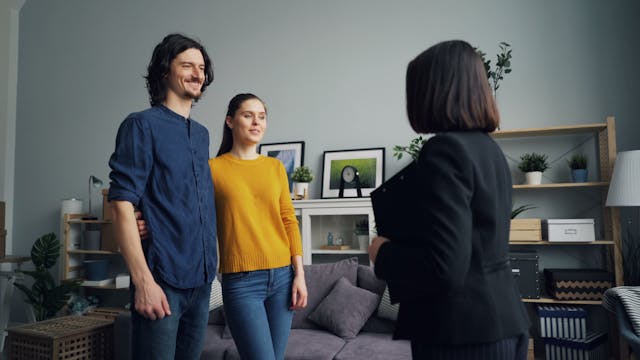
1. Stay Professional in Every Interaction
Landlords who demonstrate a high level of professionalism attract higher-quality renters.
This is reflected in small actions that help the landlord make a good first impression on prospective tenants, such as quality listings and how the landlord responds to inquiries.
Tenants want landlords with well-defined processes for managing all aspects of the rental relationship.

Examples of things that demonstrate a landlord’s professionalism include a pre-lease discussion to align positions with tenants, a detailed lease agreement and providing a welcome package.
2. Set Clear Expectations Early
The seeds of most conflicts are sown before a tenant moves into the property. These come in the form of wrong assumptions in a tenant's mind about how the rental is expected to function.
If the landlord doesn’t create opportunities to discuss how their property actually runs, the seeds of those wrong expectations become fruits of disappointment and conflict.
To clarify expectations, landlords must use all available opportunities, including but not limited to pre-lease discussions, a detailed lease agreement, an onboarding stage with Q&A, and a welcome package.
3. Screen Tenants Thoroughly and Consistently
Proper tenant screening ensures alignment and compatibility. Some landlord-tenant conflicts are caused by personality clashes between the two sides rather than any failure to live up to the terms of the rental agreement.
Even if they have a good credit score and perfect rental history, not every tenant is a good fit for your rental property.
Proper tenant screening ensures that you are not renting to fractious tenants, who will default on rent, damage your property, and cause problems for other tenants or neighbors.
4. Communicate Clearly and Regularly
Good communication prevents conflicts because many of the disagreements that happen in a rental property are due to tenants feeling ignored.

By ensuring that tenants can reach you easily and that you respond promptly and honestly to all tenants' communications, you can significantly minimize frictions.
Good communication uses familiar tech like text, email, and phone, plus an online tenant portal. It includes prompt acknowledgement of repair requests with frequent follow-ups.
5. Establish Clear Steps for Resolving Problems
Unclear processes often lead to confusion and frustration, which can strain the landlord-tenant relationship. Tenants feel more confident and supported when they understand exactly how to report issues and what to expect in return.
Make sure your tenants know who to contact for different types of problems, whether it’s rental maintenance requests, billing questions, or emergency repairs.
Clearly outline how repair requests should be submitted, what hours they can be made, and the typical response time they can expect.
It’s also important to define what qualifies as an emergency and how those situations are handled outside of normal business hours.
Finally, be transparent about how repair costs are managed, including what falls under landlord responsibility versus tenant responsibility.
6. Respect Tenants’ Privacy
Although the property belongs to the landlord, it is the tenant’s home. By law, tenants have the right to quiet enjoyment of their rented home.
Landlords who show respect for tenants and their private space often have a better relationship with those renters.
Before trying to enter a tenant's home, ensure that you give them 24-48 hours' notice, except in emergencies. Landlords should only try to enter a tenant’s home during reasonable hours, from 9 am to 6 pm.
7. Ensure Adequate Property Maintenance
Inadequate maintenance is the main reason for most landlord and tenant conflicts.
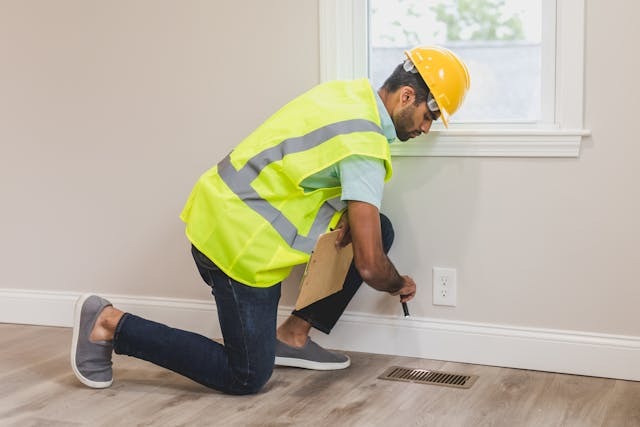
Some tenants feel that their landlord wants them to pay for damage they didn’t cause, or that the owner doesn’t take their issues seriously enough.
Landlords, on their part, say tenants don’t inform them of repairs on time. Many of these problems can be solved by conducting regular inspections and maintaining the property proactively instead of when tenants report repairs.
8. Update the Amenities in Your Property
If a landlord doesn’t update the amenities in the property to bring it to the level of comparable homes in the area, the tenants will feel shortchanged.
They will become increasingly dissatisfied with the home and want to move out. But landlords who undertake strategic updates in their rental property give themselves an edge when negotiating with new and incoming renters.
These upgrades do not have to be expensive to be effective. They just need to address problems in the property that will have a direct impact on tenant satisfaction.
9. Be Firm, Flexible, and Empathetic
The best landlords know how to balance firmness with empathy. Landlords gain loyal tenants when they know how to accommodate reasonable requests from tenants.
These requests can be about a range of things, from move-in dates to minor property modification or specific lease terms.
Tenants are more likely to reciprocate the landlord’s gestures by taking better care of the property and being more cooperative in other ways. These small acts show tenants that the landlord cares for them as human beings.
Bottom Line
Strong landlord-tenant relationships aren’t just beneficial, they’re essential to the long-term success of your investment.
At their core, these relationships are built on clear communication, well-defined expectations, consistent property upkeep, and a respectful, professional approach to every interaction.
Creating a positive living experience for tenants not only improves retention but also helps protect your property’s value over time.
At Gulf Income Properties, we focus on putting these principles into practice every day, helping Sarasota property owners build stronger tenant relationships and achieve more stable, successful rentals.