
Key Takeaways
Focus on Value, Not Just Price: Undervalued properties often come from overlooked listings, motivated sellers, or homes needing minor improvements.
Do Your Research and Run the Numbers: Analyze comparable sales, neighborhood trends, and total costs to ensure the deal aligns with your investment goals and delivers strong returns.
Combine Strategy With Execution: Success requires acting quickly, staying disciplined, and leveraging effective property management to maximize long-term income and appreciation.
Finding undervalued properties is one of the most effective ways to build wealth in real estate.
A well-purchased property can generate strong rental income, offer long-term appreciation, and provide better overall returns compared to buying at market price.
Undervalued deals are not always obvious. They require research, attention to detail, and a clear understanding of what makes a property worth more than its current price.
In this guide Gulf Income Properties, you’ll learn how to identify undervalued real estate opportunities and make smarter investment decisions.
Understand What Makes a Property Undervalued
An undervalued property is one that is priced below its true market potential. This does not necessarily mean the property is in perfect condition.
In many cases, the value comes from what the property could become with the right improvements or management. Several factors can cause a property to be undervalued.
It may be poorly marketed, need cosmetic updates, or be owned by a seller who wants to close quickly.
Some properties are simply overlooked by buyers who focus only on move-in-ready homes. Recognizing these situations allows investors to act quickly and secure better deals.
Study Comparable Properties
One of the most reliable ways to identify undervalued deals is by comparing similar properties in the same area. Look at recently sold homes that are similar in size, condition, and features.

This gives you a baseline for what the property should be worth. If a listing is priced significantly lower than comparable properties, it may be an opportunity worth exploring.
Understanding local real estate market pricing trends helps you make informed decisions and avoid overpaying. It also allows you to spot deals that others might miss.
Look for Properties That Need Minor Improvements
Not all undervalued properties require major renovations. In many cases, small cosmetic updates can significantly increase a property’s value.
Properties with outdated finishes, worn paint, or minor repairs are often priced lower because they do not appeal to all buyers. These types of issues are usually easier and more affordable to fix.
Focusing on properties that need manageable improvements allows you to increase value without taking on excessive risk or cost.
Pay Attention to Days on Market
The amount of time a property has been listed can provide valuable insight. Properties that have been on the market for a longer period may indicate that the price is negotiable.
Sellers in this situation may be more willing to accept lower offers, especially if they are motivated to close quickly.
While some listings sit due to Bradenton pricing or condition issues, others simply need the right buyer to recognize their potential. Monitoring these properties can lead to better deals.
Identify Motivated Sellers
Motivated sellers are often key to finding undervalued properties. These sellers may be dealing with financial pressure, relocation, or other time-sensitive situations.
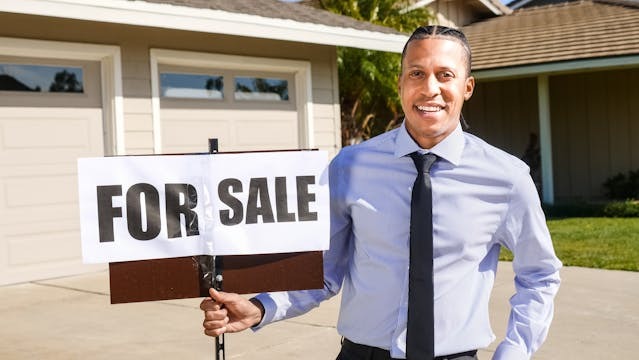
When a seller needs to move quickly, they may be willing to accept a lower price to close the deal faster. This creates opportunities for investors who are prepared to act.
Building relationships with agents and staying active in the market can help you identify these situations early.
Explore Off-Market Opportunities
Not all deals are listed publicly. Off-market properties can provide access to opportunities that other buyers may not see.
These properties may be found through networking, direct outreach, or working with real estate agents who have access to exclusive listings.
Because there is less competition, you may have more room to negotiate favorable terms. Exploring off-market opportunities requires effort, but it can lead to valuable deals that are not widely available.
Evaluate the Neighborhood Potential
A property’s value is closely tied to its location. Even if a property needs improvements, being in a desirable or improving area can increase its long-term potential.
Look for signs of growth such as new developments, improved infrastructure, and increased demand for housing. These factors can contribute to rising property values over time.
Investing in the right neighborhood helps ensure that your property benefits from both rental demand and appreciation.
Run the Numbers Carefully
An undervalued property should still make financial sense. Before making an offer, calculate all potential costs and expected returns.
Consider purchase price, repair costs, ongoing expenses, and potential rental income. Make sure the numbers support your investment goals.

A property that appears undervalued may not be a good deal if the costs outweigh the potential benefits. Careful analysis helps you avoid costly mistakes.
Avoid Emotional Buying Decisions
It can be easy to get excited about a property that seems like a great deal. However, emotional decisions can lead to overpaying or overlooking important details.
Stick to your investment criteria and focus on the numbers.
Evaluate each property objectively and avoid making rushed decisions. Taking a disciplined approach helps you stay focused on long-term success rather than short-term excitement.
Move Quickly When You Find a Good Deal
Undervalued properties often attract attention once identified. Acting quickly can make the difference between securing a deal and missing out.
Being prepared with financing, clear criteria, and a decision-making process allows you to respond efficiently.
This readiness helps you take advantage of opportunities as they arise. Speed combined with preparation gives you a competitive edge in the market.
Bottom Line
Finding an undervalued property is only the beginning, turning it into a profitable, long-term investment takes strategy, consistency, and the right support system.
By combining thorough market research, careful property evaluation, and disciplined decision-making, investors can uncover opportunities that offer strong returns over time.
However, success doesn’t stop at the purchase. Effective property management plays a critical role in maintaining the home, setting the right rental price, attracting quality residents, and ensuring steady income.
Working with a professional team like Gulf Income Properties can simplify day-to-day operations while helping you protect and grow your investment.
With the right approach and expert support, you can unlock the full potential of undervalued real estate deals and build lasting financial performance.