
Key Takeaways
Know What Qualifies: Emergencies affect a property's safety or habitability and require prompt attention.
Recognize Common Emergencies: AC failures, burst pipes, electrical hazards, roof leaks, and water intrusion may require urgent repairs.
Set Clear Procedures: Give tenants clear instructions for reporting emergencies and getting after-hours help.
Document Everything: Keep records of emergency reports, response times, repairs, and costs.
Plan for After-Hours Issues: A 24/7 maintenance system helps owners respond quickly when problems happen outside normal hours.
Rental property ownership in Bradenton and across Manatee County brings predictable repair costs, but emergencies can catch owners off guard.
A burst pipe at 2 a.m., an air conditioner failure during a heat wave, or storm damage to the roof aren't just inconvenient. They're legal obligations.
Florida law requires landlords to maintain habitable premises, and failing to respond quickly to genuine emergencies can expose you to tenant claims, lease violations, and costly disputes.
The challenge is knowing what qualifies as an emergency. Not every repair request is urgent, and treating routine maintenance as emergency work wastes money.
At the same time, delaying a real emergency can damage your property, strain your tenant relationship, and create legal liability.
Gulf Income Properties helps owners navigate this distinction every day. Here's how to categorize emergency maintenance, respond within legal timelines, and protect your investment.
Get Your Free Rental Analysis Today!
What Makes a Repair an Emergency
Florida law doesn't provide a specific checklist of emergencies. Instead, Chapter 83 of the Florida Statutes requires landlords to maintain rental properties in a "fit and habitable condition."
In practice, an emergency is a repair that affects the property's safety or habitability and prevents it from being safely or reasonably occupied.
Essential services such as running water, working plumbing, electrical power, weatherproofing, and adequate air conditioning can be critical to habitability in Florida state’s climate.
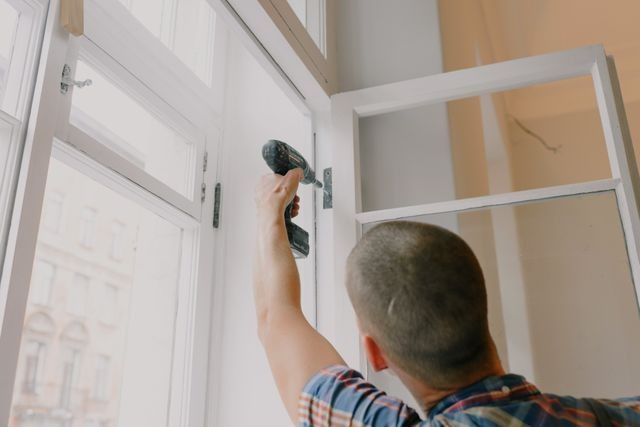
Non-emergency repairs don't affect the property's immediate safety or livability.
Cosmetic damage, worn paint, a broken ceiling fan, a window that still closes, or a non-functional dishwasher can typically wait for normal business hours.
The distinction isn't always obvious. A broken light fixture isn't an emergency, but a complete loss of electrical power is.
A slow faucet leak can wait, while a burst pipe flooding the kitchen requires immediate attention.
Common Florida Rental Emergencies
Here are the most common situations that may require immediate attention from a rental property owner or manager.
Air Conditioning Failure
In Bradenton and across the Suncoast, air conditioning failure is an emergency.
Florida summers push temperatures into the low 90s with high humidity, and indoor temperatures can become unsafe within hours, especially for elderly residents or children.
Florida courts have recognized AC failure as a habitability issue when outdoor temperatures exceed 90 degrees Fahrenheit.
If your tenant reports a non-functioning AC system during warm months, treat it as urgent and respond the same day or provide temporary cooling.
Water Intrusion and Roof Leaks
A roof leak during or after a storm is an emergency. Water intrusion causes mold growth, structural damage, and immediate safety risks.
If a tenant reports water coming through the ceiling or walls, especially after heavy rain or hurricane-force winds, this requires immediate attention.
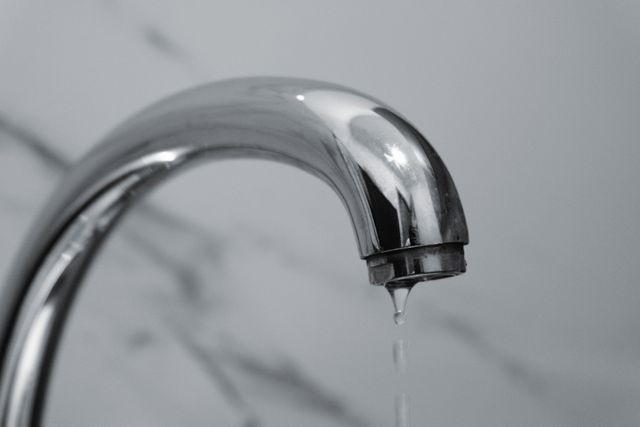
Tarping, temporary containment, and a licensed roofer inspection should happen within 24 hours.
Burst Pipes and Water Shutoff
A burst pipe floods the rental property and creates mold risk, electrical hazards, and uninhabitable conditions.
If a tenant reports water spraying from a pipe, pooling water, or no water pressure, respond immediately. You may need to shut off water to the property temporarily until a plumber can repair the line.
Electrical Hazards
Loss of electrical power to the entire unit, exposed wiring, sparking outlets, or a breaker that repeatedly trips are emergencies.
These create fire and electrocution risk. If a tenant reports any of these, have a licensed electrician evaluate within hours, not days.
No Hot Water
In winter months, loss of hot water can affect habitability, especially if outdoor temperatures drop.
In summer, loss of hot water is less critical but still a repair that should be scheduled within 48 hours.
If the property has an electric water heater and the tenant has no hot water in winter, treat it as urgent.
Plumbing Backups and Sewage
A backed-up toilet or drain is an emergency. Sewage exposure creates immediate health risks.
If a tenant reports sewage backing into the home, arrange emergency plumbing service the same day.
Broken Locks or Security Breaches
If a tenant reports a broken front door lock, a forced entry, or a security system failure, this is an emergency.
The tenant has the right to secure their home. Arrange a locksmith or repair the same day if possible.
Response Timelines and Legal Expectations
Florida Statute 83.51 requires landlords to make repairs "as soon as practicable," but it does not set a specific number of hours.

For true emergencies, owners should respond promptly, assess the situation, and arrange necessary repairs without unnecessary delay.
If you're unavailable or out of state, have a system in place to receive emergency calls and dispatch help.
Non-emergency repairs can generally be scheduled during normal business hours based on the severity of the issue, the lease, and applicable law.
Setting Tenant Communication Protocols
Establish clear maintenance procedures before an emergency occurs and include them in the lease or move-in materials.
Provide a 24/7 phone number or online portal for emergency requests and explain what qualifies, such as a major water leak, loss of power, gas smell, broken lock, or other safety hazard.
An online maintenance system also creates a time-stamped record of when the issue was reported.
For emergencies, acknowledge the request promptly and provide clear instructions for minimizing damage while help is on the way.
When It's Not an Emergency
Not every repair requires immediate attention. A clogged drain, slow hot water, or broken window that still closes and locks can typically be handled during normal business hours.
Explain the expected timeline to the tenant, document the request, and schedule the repair appropriately.
Clear communication helps prevent routine maintenance from being treated as an emergency.
Documenting Your Response
Keep a record of every emergency maintenance request, including when it was reported, what was reported, when you responded, which contractor was contacted, when the work was completed, and what repairs were performed.
Photos, invoices, receipts, and contractor records can also help demonstrate that you responded appropriately if a dispute arises later.
Bottom Line
Emergency maintenance requires prompt action, clear tenant communication, and proper documentation.
Gulf Income Properties provides 24/7 maintenance coordination and online repair requests, helping owners protect their investments without managing emergency calls themselves.
Frequently Asked Questions
Can a Tenant Arrange Emergency Repairs Without My Approval?
In a genuine emergency, a tenant may need to take reasonable steps to prevent immediate damage or address a safety issue when the landlord or property manager cannot be reached.
However, the lease should clearly explain what tenants are authorized to do and when they should contact the owner or manager first.
Should I Have Different Emergency Procedures for Different Properties?
Yes. Emergency procedures may need to account for the property's age, systems, location, and specific risks.
Owners with multiple rentals should maintain property-specific information for shutoffs, access instructions, preferred vendors, and other critical details.
What Information Should I Give a Contractor During an Emergency?
Provide the contractor with the property's address, tenant contact information, a description of the problem, access instructions, and the location of relevant shutoffs when known.
It can also help to provide information about the property's systems, such as the HVAC or water heater, if that information is available.
Having these details organized in advance can reduce delays when an emergency occurs after hours.
How Can Landlords Prepare a Rental Property for Common Emergencies?
Preventive maintenance can reduce the likelihood that a routine problem becomes an emergency.
Owners can have plumbing, electrical, HVAC, roofing, and other major systems inspected as appropriate and address known problems before they worsen.
It is also useful to keep records of system ages, warranties, past repairs, shutoff locations, and vendor contacts so the right information is available when an urgent issue occurs.
What Should Landlords Review After an Emergency Repair?
After the immediate problem is resolved, review what caused the issue, whether additional damage occurred, and whether follow-up repairs are needed.
Owners should also review the contractor's invoice, photographs, and any recommendations for preventing a recurrence.
If the incident involved a major system, water intrusion, or property damage, the owner may also need to coordinate with an insurer or other relevant professional.